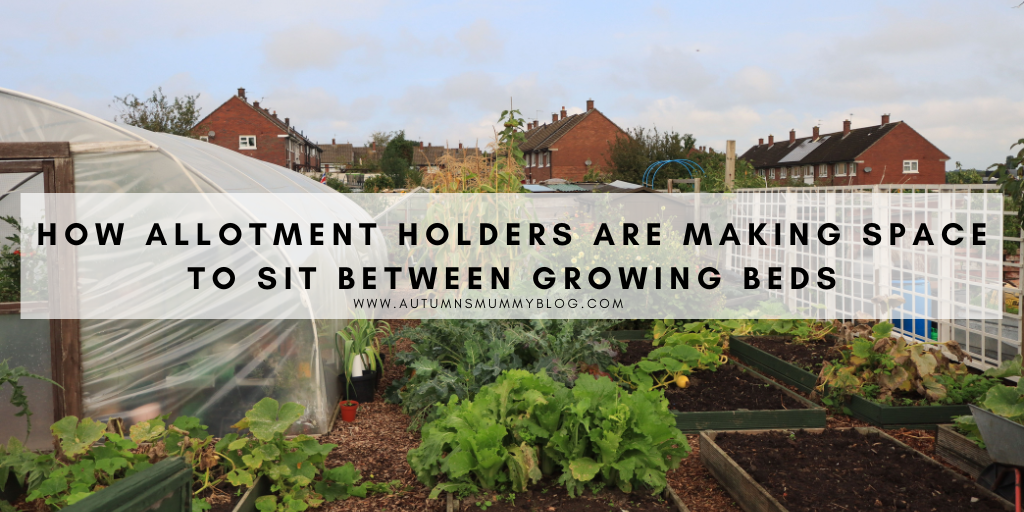
Collaborative Post¦ Allotment plots are not always kind to the body. You arrive for half an hour, then two hours vanish. There is a row to weed, a cane to tie, a bag of compost to drag from the gate. Then your back starts talking.
A small place to sit changes the rhythm of the plot. It does not need to look styled. It needs to be dry enough, steady enough and close enough that you use it before you are already tired.
Why A Rest Spot Belongs On A Working Plot
A plot can make you feel as if every inch must earn its keep. Beans here. Beetroot there. A spare corner for pots, canes, netting and that one tray you meant to take home three weeks ago. Seating can feel like a luxury when the growing space is tight.
It is not. Not if it helps you stay longer without overdoing it.
A proper rest spot gives the body a reset between jobs. Digging pulls on the lower back. Weeding asks the knees for too much. Watering cans get heavier than they look, especially when the tap is not close. Sit down for five minutes and you notice what needs doing next without marching from bed to bed.
That is the quiet benefit. From a chair or bench, you see the plot differently. The cabbage leaves with holes. The row that dried out faster than the others. The beans leaning a bit too much after wind. Sometimes the best gardening decision comes when you are not holding a tool.
Choose Seating That Can Cope With Mud And Weather
Allotment furniture has a harder life than patio furniture. It gets damp. It sits near soil. It may be brushed by nettles, rained on sideways and used by someone wearing muddy boots. Pretty is fine. Tough matters more.
For Essex growers choosing compact seating for muddy paths, Chimes Home and Garden fits this kind of weather-ready garden furniture, with small benches, sturdy chairs and outdoor pieces that have to cope beyond a clean patio.
Plastic benches are useful because they can be wiped down after rain or mud. Recycled plastic is often heavier than it looks, which helps if the plot is exposed. Metal chairs can work well too, but check the joints and feet. Thin legs sink into soft ground. Annoying. Worse after a wet week.
Timber has the best allotment look. It settles into the place as if it has always been there. A wooden bench near a shed, a few pots beside it, a mug resting on the arm. Lovely. It also needs more care. If you know you will not oil or cover it, be honest with yourself before buying it.
The same thinking applies to Essex garden furniture for small outdoor spaces. A chair that looks fine on a clean patio still has to deal with damp grass, muddy boots and the odd week of rain. On an allotment, the useful piece is usually the one that stays steady, wipes clean and does not need half the shed for storage.
Put The Seat Where You Already Pause
The best place for a seat is rarely the prettiest corner. It is the place where you already stop. Near the shed door. Beside the compost bins. At the end of the main path. Somewhere you stand while deciding what to do next.
Corners often work well because they do not steal the middle of the plot. A narrow bench at the end of a bed can give you somewhere to sit without blocking a wheelbarrow. If your paths are tight, choose something that can move. A folding chair, a stool, even a low storage box with a lid if your site allows it.
Check the allotment rules before adding anything permanent. Some sites are relaxed. Others care about structures, storage, paths and how much of the plot stays cultivated. Nobody wants a complaint over a bench.
Think About Shade Before Summer Finds You
A seat in full sun may feel perfect in April. By July, it can become useless at the exact time you need it most. Heat changes everything on a plot. Even a short break feels uncomfortable if the chair sits in a glare trap between bare soil and a shed wall.
Look at where shade falls during the part of the day you usually visit. Morning growers may want the first bit of sun. Evening growers may need somewhere that cools down quickly. A hedge, shed side or tall crop can give a little shelter without making the spot gloomy.
Wind matters too. An exposed plot can feel cold even on a bright day. Put seating where there is some cover, but not where rainwater gathers. Low corners with waterlogged soil will make chair legs sink and timber age faster.
The ground under the seat needs attention. A couple of paving slabs can stop a chair wobbling. Bark chips can work if the area drains well. Grass looks nice until it turns slippery. Mud always wins if you ignore it.
Keep The Setup Small Enough To Move
Allotments change through the year. Spring needs trays, netting and room to move. Summer brings more watering, more growth and more visitors leaning over to ask what variety that tomato is. Autumn means clearing, lifting, cutting back and making space again.
Furniture needs to follow that rhythm.
A heavy dining set will not suit most plots. It takes up too much room and becomes another thing to work around. A compact bench, two folding chairs or one small table with stools can do more with less space. Better still if you can move them when the potatoes come up or the squash starts wandering.
Storage benches are tempting because they do two jobs at once. Seat on top. Tools inside. Good idea, but only if the box stays dry, opens easily and does not become a spider hotel by August.
Keep the seat simple. A place for a flask. A packet of seeds. A notebook. Maybe secateurs within reach. That is enough.
Use What You Have Before Buying More
Allotment plots are good places for second lives. An old kitchen chair might work for a season if it is safe and stable. A reclaimed bench can look better with a scrub and a coat of outdoor paint. A spare paving slab can become a level base. Nothing fancy.
Still, not everything belongs outside. Wobbly chairs, cracked plastic and anything with sharp metal edges should go. A plot already has enough things to trip over. Rusty canes. Twine. Uneven paths. Do not add a dangerous seat to the list.
If you do buy new, buy for the way you garden. Not for the photo. People looking at garden furniture Essex options still need to think about the same plain things first: mud, shade, storage and whether the seat will get used after the first week.
A Small Seat Can Change The Whole Visit
A rest spot will not grow the beans for you. It will not stop slugs, fix the weather or make bindweed suddenly reasonable. Shame.
It can change how the plot feels. Instead of rushing from job to job, you get a place to pause, look across the beds and decide what matters next. That is useful gardening, not wasted time.
The best allotment seating is simple. It fits the path, handles rain and does not block the beds. Most of all, it gets used. Five quiet minutes between jobs can earn its space better than half the things stored in the shed.
Cover photo by Jan Wright: https://www.pexels.com/photo/community-garden-with-greenhouse-in-england-37553146/
