Photo by Sabrianna on Unsplash
Collaborative Post¦ The engagement ring market has shifted considerably in recent years, and much of that shift can be attributed to a growing awareness of alternatives to traditionally mined stones. Engagement rings with lab diamonds have moved from a niche option to a mainstream choice, driven by advances in technology that produce stones indistinguishable from natural diamonds in their physical and optical properties. For buyers weighing their options, understanding what lab-grown diamonds offer is a useful starting point.
What Lab-Grown Diamonds Actually Are
Lab-grown diamonds are not synthetic substitutes or simulated gems. They are real diamonds in every scientific sense, made of carbon atoms arranged in the same crystal structure as natural diamonds. The difference lies entirely in their origin: natural diamonds form in the earth over billions of years, while lab-grown stones are created in controlled environments using either High Pressure High Temperature or Chemical Vapour Deposition processes. Both methods produce stones with the same hardness, refractive index, and chemical composition as their mined counterparts. A trained gemologist cannot tell them apart without specialist equipment.
The Cost Difference and What It Means for Buyers
One of the most compelling reasons buyers choose lab-grown diamonds is the price difference. A lab-grown diamond typically costs significantly less than a natural diamond of the same size, colour, and clarity grade. This allows buyers to either stay within a tighter budget while still acquiring a high-quality stone, or to spend the same amount and receive a noticeably larger or higher-graded diamond than they would otherwise be able to afford. For couples who prioritise the ring’s appearance over the stone’s provenance, this value proposition is difficult to overlook.
Ethical and Environmental Considerations
For many buyers, the appeal of lab-grown diamonds extends beyond price. Traditional diamond mining has historically been associated with significant environmental disruption and, in some regions, with human rights concerns. Lab-grown diamonds eliminate these issues by origin: they are produced entirely in laboratory settings without large-scale land excavation or the social complexities sometimes associated with supply chains in certain mining regions. While lab production does require energy, advances in renewable energy use are gradually reducing the manufacturing process’s carbon footprint.
Choosing the Right Lab Diamond for Your Ring
The same four Cs framework that applies to natural diamonds, cut, colour, clarity, and carat, applies equally to lab-grown stones. When selecting a lab diamond, prioritise cut quality above all else: a well-cut stone will reflect light brilliantly regardless of its origin. In contrast, a poorly cut stone will appear dull no matter how high its other grades are. Reputable lab-grown diamonds come with certification from recognised institutions, just as natural diamonds do, confirming their grades and providing assurance about the quality of the stone you are purchasing.
Setting Styles That Work Well With Lab Diamonds
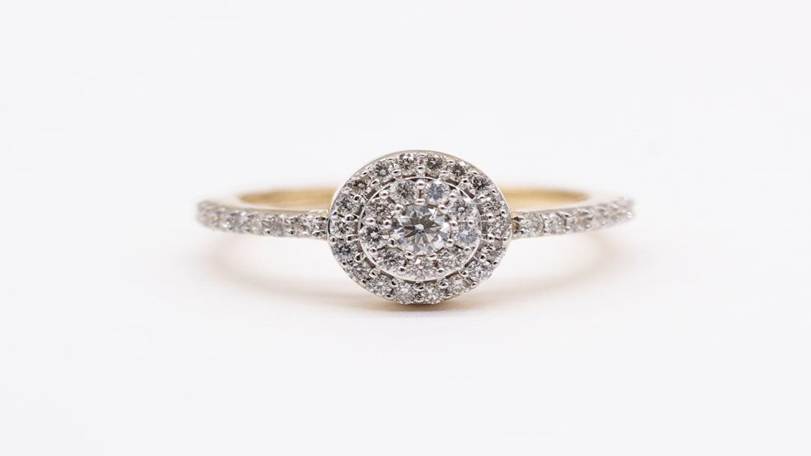
Lab-grown diamonds suit every ring style available in fine jewellery, from classic solitaires to elaborate halo designs and vintage-inspired settings. Because they are physically identical to natural diamonds, there are no limitations on how they can be cut or set. The growing popularity of lab stones has prompted many jewellers to offer dedicated collections that showcase the full potential of these gems. Whether you prefer a minimal, modern aesthetic or something more ornate and vintage-inspired, a lab-grown diamond can be set to match your vision just as effectively as any natural stone.
What to Ask When Buying a Lab Diamond Ring
When purchasing a lab-grown diamond engagement ring, there are a few key questions worth asking. First, request the grading certificate: a certified stone gives you confidence in its quality and protects your investment. Second, ask whether the diamond was grown using High-Pressure, High-Temperature or Chemical Vapour Deposition, as some buyers have a preference. Third, inquire about the return and resale policy: the resale market for lab-grown diamonds is still developing, and understanding the terms before you buy helps set appropriate expectations. A reputable jeweller will answer these questions clearly and without hesitation.

Cover photo by Daniel Dan on Unsplash
