Collaborative Post¦ Getting braces is a decision many people make at different points in life. For some, it’s about correcting bite issues. Others are simply looking to improve how their teeth look and feel. Whatever the reason, knowing what each type of treatment involves makes it easier to move forward with confidence.
Many think all braces are the same, but that couldn’t be further from reality. Materials, visibility, daily maintenance, and results all vary depending on the chosen system. Keep reading as we share practical guidance for anyone thinking about straightening their teeth.
The Main Types of Braces and How They Work
There isn’t one single type of brace that suits everyone. Each system comes with its own approach and level of visibility, and different people may benefit from different methods depending on their dental needs.
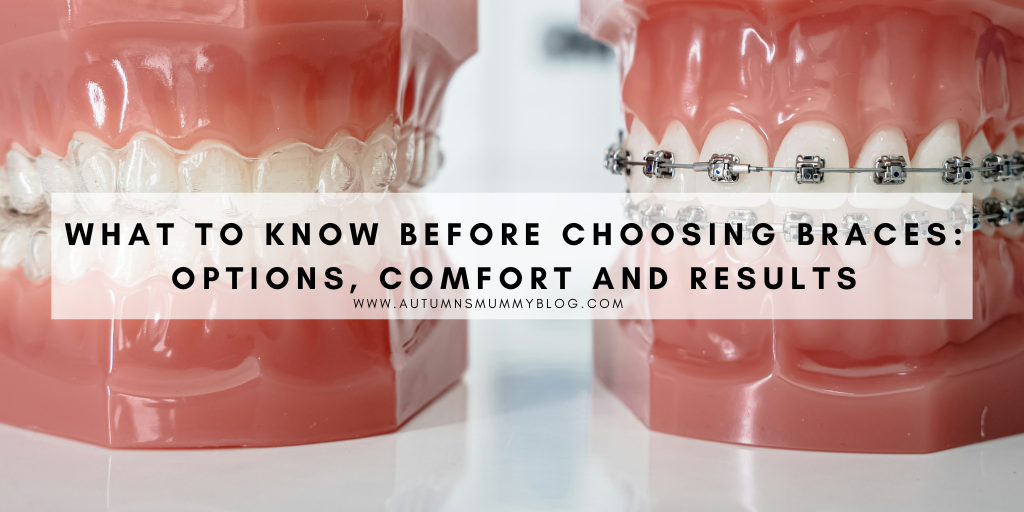
· Metal fixed braces are what most people picture first. These use brackets and wires to gradually align teeth and are often the most affordable option. They remain visible but are smaller and more discreet than they were in the past.
· Ceramic braces work similarly but use tooth-coloured brackets. They blend in more and appeal to those who prefer a subtle appearance. However, they can be slightly more fragile.
· Lingual braces attach to the back of the teeth. This makes them invisible from the front but may take longer to adjust to when it comes to speech or comfort.
· Clear aligners such as Invisalign are removable and transparent. These trays are custom-made to fit snugly and shift teeth over time. They’re popular among adults who prefer a low-profile approach, but they do rely on consistent wear to be effective.
Having a wider selection of treatment types gives people more control over their experience. That’s why choosing a provider with access to all options can make a big difference.
Why Where You Go for Braces Matters
Treatment quality doesn’t just depend on the materials used. It also depends on who’s carrying out the work. A general dental clinic might offer one or two systems, usually limited to more common braces or aligners. On the other hand, specialist practices tend to provide a broader selection.
This matters for several reasons. First, having more choice means there’s a better chance of finding a solution that suits your goals, lifestyle and budget. Second, specialist orthodontists are focused on straightening teeth every day. Their experience helps identify subtle issues and tailor treatment more precisely.
People looking for this level of care often turn to a practice like an orthodontist in Ewell, where the focus is purely on orthodontics. This can offer reassurance that your treatment plan is both informed and flexible, with the right systems available from the beginning.
Comfort and Day-to-Day Life with Braces
Braces affect more than appearance. Daily life will feel different at first, depending on the chosen option. Some adjustments may take a few days, while others may take a few weeks. Knowing what to expect early on can help reduce frustration later.
Fixed braces, whether metal or ceramic, require care when eating. Sticky or very hard foods can damage brackets, so changes to your diet may be necessary. Cleaning takes a little more time too, as brushing around wires and brackets requires patience and the right tools.
Lingual braces might feel awkward against the tongue initially. Speech can be affected during the first few days, but most people adapt quickly. They’re less noticeable, but they can also be trickier to clean.
Clear aligners offer flexibility. They come out for meals and brushing, which many find convenient. That said, they must be worn for most of the day, ideally 20 to 22 hours. Forgetting to wear them regularly could delay results.
Comfort also varies. Some people feel soreness during the first few days of wearing braces or after adjustments. This usually fades with time. Keeping up with recommended care and being realistic about the changes ahead can make the process smoother.
Treatment Time and What Results to Expect
Braces work gradually, which means patience is key. Some treatments last as little as six months. Others can take up to two years or more, especially when bite corrections are needed.
The length of time depends on several factors:
- How complex the misalignment is
- The type of system used
- How closely the plan is followed
Fixed braces tend to be faster for more involved cases. They give the orthodontist full control over each tooth’s movement. Clear aligners might take longer with complex shifts, but work well for mild to moderate issues when worn properly.
Results also depend on what someone hopes to achieve. Some want perfect alignment, while others are aiming to improve function or appearance. Being clear about your goals with your provider ensures the final outcome meets your expectations.
Consistent check-ups, adjustments and follow-through all play a role. Following advice carefully and sticking with your plan increases the likelihood of achieving the desired result within the expected timeframe.
Common Misunderstandings About Braces
Many adults assume braces are only for teenagers. That’s not the case. More adults are choosing to straighten their teeth later in life, often using subtle or removable systems that fit into busy routines.
Another common idea is that all braces give the same results. In truth, the systems available vary in terms of outcomes and experiences. For example, lingual braces might appeal for their invisibility, but could take longer to fit and maintain. Clear aligners are popular, but not ideal for every case.
Affordability also causes confusion. Some people think only the most expensive options work well. That isn’t always true. What’s most important is the right match between treatment type and dental need. A well-planned system at any price point can deliver excellent results.
Take the First Step Towards the Right Treatment
Braces are an investment of both time and money, so it’s worth taking your time before committing. Comparing options, asking questions and seeking guidance from a provider who offers all major systems helps avoid disappointment later.
Speak to someone with experience across different treatments. Make sure you’re not being directed toward one solution without knowing what else is available. The more you know at the start, the more control you’ll have over the outcome.
Feeling confident in your choice often starts with clear advice. Look for a provider who takes the time to explain things, listen to your goals and tailor a plan that makes sense for you.
Cover photo by Katarzyna Zygnerska on Unsplash